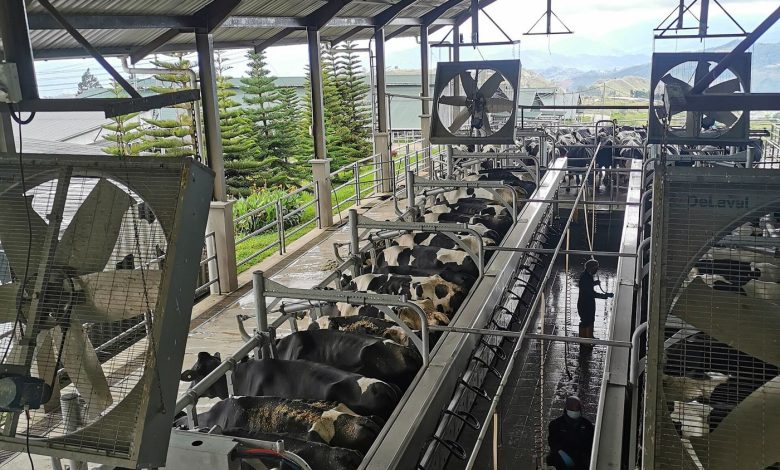
The H5N1 strain of bird flu has spent years circulating among wild birds and poultry, but its recent spread into mammals has put health agencies around the world on alert. The virus has been detected in dairy cattle, foxes, seals, sea lions, mink and other mammals, and in a small number of people who worked closely with infected animals. Most human cases so far have been mild, typically eye irritation or flu-like symptoms, and there is no evidence of sustained spread between people. Even so, scientists are watching the virus carefully because influenza viruses can change quickly, and every infection in a mammal is another chance for the virus to adapt. Public health agencies have stepped up surveillance of farm workers, testing of milk supplies and genetic monitoring of new virus samples. In the United States, the virus spread through dairy herds in multiple states during 2024 and 2025, prompting testing of milk, restrictions on moving cattle and monitoring of farm workers for symptoms.
What the Evidence Shows
The concern is not the virus as it exists today but what it could become. Flu viruses swap genes easily, and a version that spread efficiently between people while keeping its severity would be a serious threat. Researchers are tracking specific mutations linked to adaptation in mammals and to airborne transmission, and vaccine manufacturers have prepared candidate vaccines that could be produced quickly if needed. Farmers have been urged to improve biosecurity, test sick animals and provide protective equipment to workers, while pasteurisation remains an effective safeguard for milk. Experts stress that the risk to the general public is currently low, but they also say the situation shows why animal health and human health cannot be treated separately. The spillover into cattle was a warning, and the response now is to learn from it before the virus gets another chance to change. Health agencies have also stockpiled candidate vaccines and antiviral medicines, and they say the lessons of the Covid-19 pandemic have made surveillance faster, with genetic sequences of new samples now shared internationally within days. Reporting and analysis from sources such as Nature track the same developments, and specialists following H5N1 bird flu in mammals say the direction is now consistent across independent lines of evidence.
The Wider Context
The wider context is a research landscape in which replication and open data now decide reputations. Findings connected to H5N1 bird flu in mammals are being checked by independent groups with shared datasets, and the teams involved publish their methods in full so rivals can test every step. That discipline is slower than a headline cycle, but it is why results in this area increasingly survive first contact with scrutiny.
What Happens Next
What happens next in the story of H5N1 bird flu in mammals will be decided by follow-up work already under way: larger samples, longer observation and instruments that have not yet come online. The researchers involved are unusually united on one point, that the current results justify the next investment of time and money. Readers will not have to wait long for the first tests of that claim. You can follow related developments in our coverage of science.
None of this will be settled by a single announcement, study or product launch. The pattern to watch is accumulation: independent confirmations, honest reporting of failures and steady improvement in the underlying numbers. Readers who follow those signals, rather than the loudest claim of the week, will understand this subject better than most of the commentary surrounding it suggests is possible.