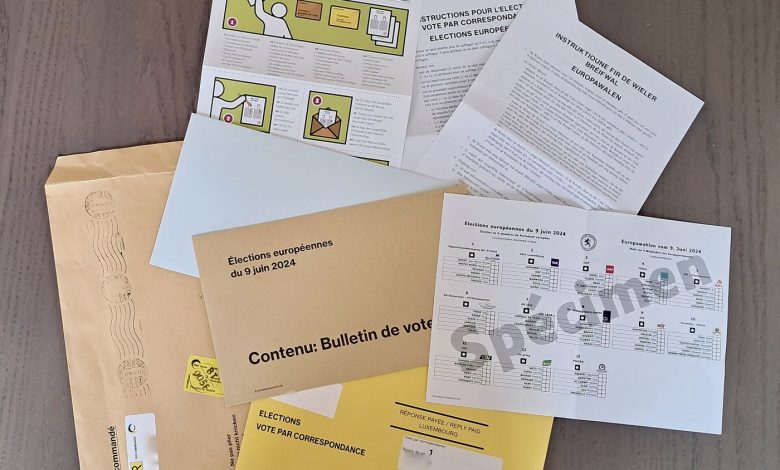
More voters than ever are choosing to cast their ballots by post, filling in their papers at the kitchen table and returning them days before polling day arrives. Election administrators say the growth has been steady over recent years, driven by people who work long hours, travel often, or simply prefer the calm of voting at home to the rush of election day. Postal voting was once used mainly by older voters and those living abroad, but it is now popular across age groups, including busy parents and shift workers. Officials say the system has become a normal part of how elections run, with postal votes counted alongside ballots cast in person. The change has also altered campaigning, since candidates now try to reach voters weeks earlier, knowing that many will have already decided and posted their vote before the final weekend. Turnout figures suggest the postal habit is here to stay, with many voters saying they will vote the same way next time.
What the Evidence Shows
Administrators say running a postal vote at scale brings its own challenges, from printing and sending millions of ballot packs on time to checking signatures and dates of birth when they return. They explain that each postal vote is verified against the voter’s record before it is counted, and that anyone who loses a ballot can request a replacement up to polling day. Security experts say the system is well tested, with checks at every stage, though they stress that voters should return their ballots promptly and follow the instructions carefully. Election officials are also reminding voters to keep their registration details up to date, since a postal vote is sent to the address on the register. For many voters, the convenience is the point: voting by post fits around work and family life rather than asking life to fit around voting. Reporting and analysis from sources such as Reuters track the same developments, and specialists following the rise in postal voting say the direction is now consistent across independent lines of evidence.
The Wider Context
The wider context is a public conversation conducted at a speed institutions were not built for. Developments around the rise in postal voting are announced, contested and revised within a single news cycle, and the officials involved have learned to publish evidence alongside claims so that scrutiny can actually occur. Trust, the polling suggests, follows that transparency more than it follows confidence.
What Happens Next
What happens next in the story of the rise in postal voting will be decided in the places where it is being implemented, measured and argued about in public. The officials and organisations involved have committed to publishing progress data, and that commitment gives residents, businesses and journalists something firmer than promises to judge. The next milestones are dated, which means they can be checked. You can follow related developments in our coverage of news.
There is a practical lesson in all of this for readers deciding what to do today. Start with the verified facts, be wary of anyone promising certainty, and prefer reversible steps while the evidence is still developing. Circumstances differ by country, income and personal situation, so general guidance should always be weighed against your own context before you act on it in any significant or lasting way.