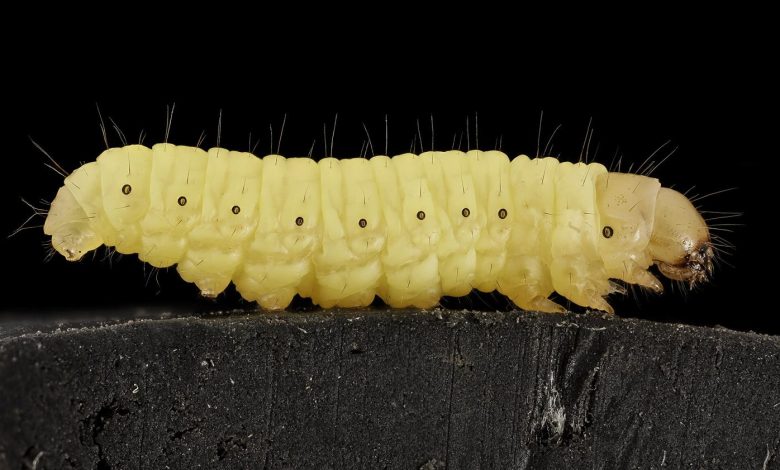
Vitamin B12 can largely reverse developmental defects in laboratory worms carrying a mutation linked to a rare human disease, researchers at Germany’s Max Planck Institute for Biology of Ageing reported on 16 November 2026. The team studied the roundworm Caenorhabditis elegans, a small animal widely used in genetics, and found that a mutation affecting RNA splicing disrupted metabolic pathways that depend on vitamin B12. When the researchers supplied extra B12, those pathways recovered and the worms’ growth abnormalities were largely corrected. The mutation is associated with Verheij syndrome, a rare genetic disorder in people. The team then examined human cellular data and blood samples from patients, finding evidence of similar metabolic disturbances.
What the Evidence Shows
The result suggests that some consequences of genetic disorders involving faulty RNA processing might be treated through metabolic interventions rather than gene therapy. RNA splicing is the process that edits a gene’s message before it is read, and when it goes wrong many systems can be affected at once. Vitamin B12 is already a safe and familiar supplement, which could make the path to human trials shorter than for a new drug. The researchers caution that worms are not people, and the effect must be tested carefully in patients. Still, the study points to a new way of thinking about rare diseases, where fixing metabolism may ease problems that begin in the genes. Reporting and analysis from sources such as Nature track the same developments, and specialists following the vitamin B12 worm study say the direction is now consistent across independent lines of evidence.
The Wider Context
The wider context is a research landscape in which replication and open data now decide reputations. Findings connected to the vitamin B12 worm study are being checked by independent groups with shared datasets, and the teams involved publish their methods in full so rivals can test every step. That discipline is slower than a headline cycle, but it is why results in this area increasingly survive first contact with scrutiny.
What Happens Next
What happens next in the story of the vitamin B12 worm study will be decided by follow-up work already under way: larger samples, longer observation and instruments that have not yet come online. The researchers involved are unusually united on one point, that the current results justify the next investment of time and money. Readers will not have to wait long for the first tests of that claim. You can follow related developments in our coverage of science.
None of this will be settled by a single announcement, study or product launch. The pattern to watch is accumulation: independent confirmations, honest reporting of failures and steady improvement in the underlying numbers. Readers who follow those signals, rather than the loudest claim of the week, will understand this subject better than most of the commentary surrounding it suggests is possible.