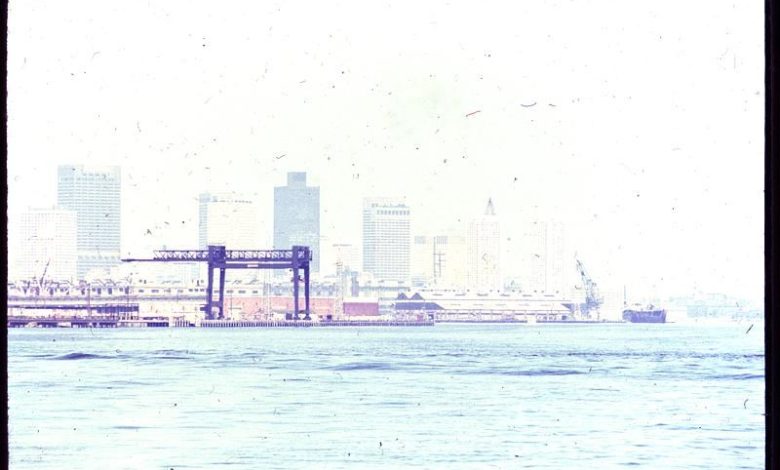
Hospitals have reported a rise in patients arriving with breathing problems during the latest spell of hazy weather, as doctors warn that poor air quality can quickly worsen conditions such as asthma and bronchitis. Emergency departments said they had seen more people complaining of tight chests, persistent coughs and shortness of breath, particularly among older patients and children, since the haze settled over the city. Health officials advised residents to keep windows closed during the worst hours, to avoid strenuous exercise outdoors and to carry inhalers if they had been prescribed them. Schools were asked to move outdoor activities inside where possible, and people who work outside were urged to take regular breaks in cleaner air. Experts said the haze was caused by a mix of traffic fumes, industrial emissions and still weather that trapped pollutants close to the ground instead of dispersing them. Forecasters said the haze was expected to lift once stronger winds arrived later in the week.
What the Evidence Shows
Doctors explained that fine particles in polluted air can irritate the airways and trigger inflammation, which is why people with existing lung conditions feel the effects first, though healthy adults can also notice sore throats and tiredness during prolonged episodes. They recommended checking daily air quality forecasts before planning outdoor activities, and said masks could help for those who had to spend long periods outside. Environmental officers said they were monitoring pollution levels street by street and would issue alerts if readings climbed further, while transport planners pointed to cleaner buses and cycle lanes as longer-term answers. Councillors said the episode underlined the need for faster action on traffic and heating emissions. Health services promised to keep extra capacity available until the haze lifts and the air clears. Campaigners said cleaner air would need lasting changes to traffic and heating, not just short-term advice during each episode. Reporting and analysis from sources such as Reuters track the same developments, and specialists following the rise in breathing problems during the haze say the direction is now consistent across independent lines of evidence.
The Wider Context
The wider context is a public conversation conducted at a speed institutions were not built for. Developments around the rise in breathing problems during the haze are announced, contested and revised within a single news cycle, and the officials involved have learned to publish evidence alongside claims so that scrutiny can actually occur. Trust, the polling suggests, follows that transparency more than it follows confidence.
What Happens Next
What happens next in the story of the rise in breathing problems during the haze will be decided in the places where it is being implemented, measured and argued about in public. The officials and organisations involved have committed to publishing progress data, and that commitment gives residents, businesses and journalists something firmer than promises to judge. The next milestones are dated, which means they can be checked. You can follow related developments in our coverage of news.
There is a practical lesson in all of this for readers deciding what to do today. Start with the verified facts, be wary of anyone promising certainty, and prefer reversible steps while the evidence is still developing. Circumstances differ by country, income and personal situation, so general guidance should always be weighed against your own context before you act on it in any significant or lasting way.