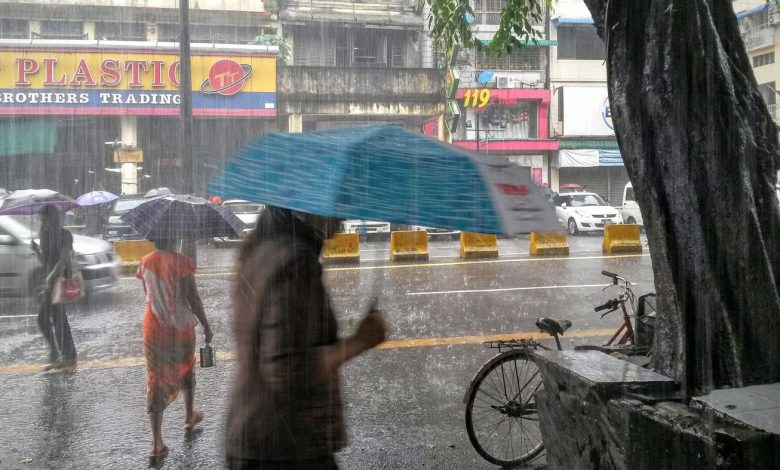
Monsoon forecasting has improved markedly as new satellites, ocean buoys and local rain gauges feed higher resolution models. Forecasters can now estimate district level rainfall several days ahead with useful accuracy, helping farmers time sowing and cities prepare drainage before heavy rain arrives.
Why It Matters Now
The work behind monsoon forecasting spans continents and disciplines. Field teams gather samples and observations, theorists build models to explain them, and engineers design the next generation of sensors. Funding agencies increasingly require the results to be published openly, which lets smaller universities join major projects. That openness speeds progress and scrutiny alike: mistakes are found faster, promising leads are followed sooner, and the strongest conclusions are the ones that survive repeated, independent checking.
Challenges remain with sudden cloudbursts, which form quickly and resist prediction. Agencies are therefore pairing forecasts with impact based warnings that describe likely flooding or disruption, not just millimetres of rain, so that officials and residents can act earlier and more confidently.
What Experts Are Watching
monsoon forecasting illustrates how patient, cumulative research changes what we know. No single experiment settles the question; instead, teams share data, repeat measurements and test each other’s models until the picture sharpens. New instruments are helping, collecting observations that were impossible a decade ago, but researchers stress that instruments alone are not enough. Careful interpretation, open data and honest discussion of uncertainty are what turn raw measurements into knowledge that other scientists and the public can trust.
In the longer term, the significance of this story may be less about one announcement than about the direction it confirms. Patterns that appear across research, markets and daily life tend to endure, and this one is appearing in all three. Communities that adapt early usually gain the most, whether that means learning new skills, planning budgets differently or simply paying attention sooner. The details will keep changing, but the underlying shift looks set to stay.
Context also matters historically. Similar shifts in earlier decades followed a recognisable pattern: early excitement, a period of disappointment as costs and limits became clear, then steady improvement as standards, training and infrastructure caught up. Remembering that pattern helps readers judge today’s claims proportionately. It neither guarantees success nor predicts failure, but it does suggest that patient, well funded work tends to outlast both hype and cynicism, and that the most durable benefits often appear in ordinary places rather than launch events.
There is also a human side that statistics can miss. Behind every figure are people adjusting routines, retraining, moving money or changing plans in response to new information. Their experience is a useful test of whether a trend is real: when change reaches kitchens, clinics, classrooms and workshops, it has usually passed beyond speculation. Listening to those voices, alongside official data, gives a fuller and fairer picture of what is actually happening and who is being helped or left behind.
Readers can follow our science coverage for further updates on this story, and compare the details with reporting from NOAA. As monsoon forecasting continues to develop, we will update this article with verified figures, named sources and reaction from the people most affected, so the record stays clear, accurate and useful for everyone following it closely.