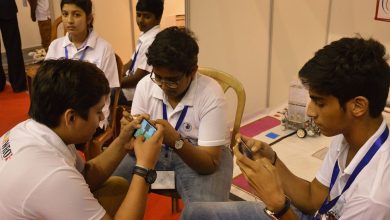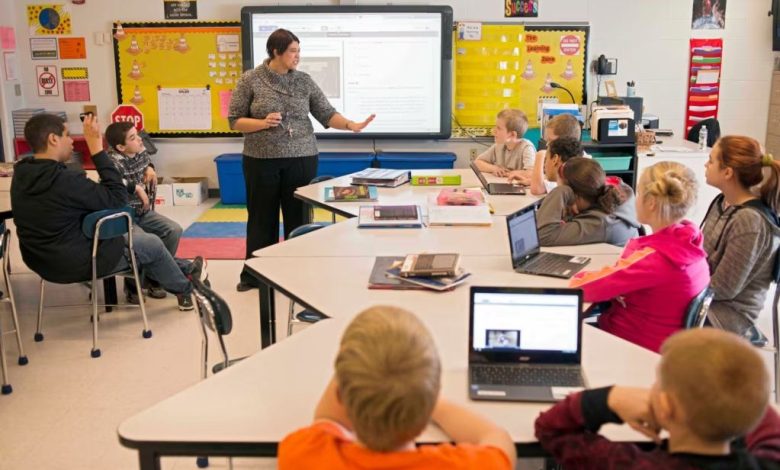
Under a tin roof at the edge of a farming village, a class of thirty adults is learning to do something many of them once thought was beyond reach: use a smartphone with confidence. Free digital literacy programmes are spreading across rural India, run by charities, local entrepreneurs and government-backed common service centres, and they are changing what ordinary people can do for themselves. Readers who follow our learning and education guides will recognise the pattern — practical skills first, taught patiently, in the learner’s own language.
The curriculum is relentlessly practical. Students learn to make video calls to children working in distant cities, pay electricity bills without a middleman, book train tickets, check land records, and spot the tell-tale signs of a fraud message. For many women in the classes, the first lesson is simply that the phone belongs to them too, and that asking questions about it is not a weakness.
Confidence is the real certificate
Trainers say the turning point is rarely technical. It comes when a learner completes a real transaction alone — a pension checked, a form submitted, a video call connected — and realises the machine is a tool, not a test. Graduates often become informal help desks for their lanes and villages, multiplying the reach of every class.
The need remains enormous. India’s internet user base is among the world’s largest, yet surveys cited by the World Bank’s digital development programme show wide gaps in skills between cities and villages, and between men and women. Connectivity has raced ahead; confidence is catching up class by class.
What comes after the basics
The best programmes do not stop at buttons and apps. Follow-up sessions cover online safety for children, digital payments for small sellers, and how farmers can check weather and crop prices before deciding when to harvest or sell. Some centres now help students build simple digital CVs and apply for jobs online.
Local trainers make the model travel
The programmes that scale share one design choice: they train local people as teachers. A young woman who has completed the course and now runs the village’s evening batch carries a credibility no visiting instructor can match — she knows which families need persuading, which hours suit farm work, and how to explain a one-time password using the example of a locked grain store. Organisations behind the classes describe this trainer pipeline as the real infrastructure being built, more durable than any donated computer. Graduates also staff the help desks inside common service centres, so the learner who arrived nervous in January may be the person processing her neighbour’s land records by December. Digital literacy, in this model, is not imported into the village. It is grown there, and it stays.
For learners who missed schooling the first time around, these classes carry a particular pride. The certificate on the wall matters less than the moment a grandmother video-calls her grandson abroad, on her own phone, entirely by herself.