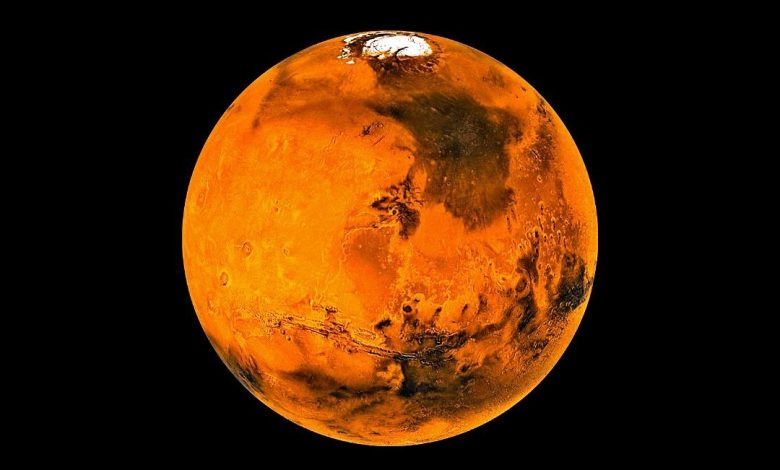
Layered rocks exposed on the floor of an ancient Martian crater are giving rover scientists a page-by-page account of a lake that existed billions of years ago. Fine bands of sediment suggest periods of quiet water depositing mud, interrupted by coarser layers that point to floods or streams carrying sand and gravel into the basin. By measuring the chemistry and grain size of each layer, researchers can reconstruct how deep the water was, how long wet conditions lasted and whether the lake filled and dried repeatedly. Those details decide whether the environment stayed habitable long enough for microbial life to plausibly gain a foothold. The rover’s cameras also reveal cracks formed as mud dried, and minerals that precipitate from evaporating water, both consistent with a shoreline that shifted over time. Each carefully documented outcrop strengthens the case that this part of Mars once offered the water, energy and chemical ingredients considered necessary for life, even though no direct evidence of biology has been found.
What the Evidence Shows
Selected rock samples from such lakebed deposits are among the most prized material in current Mars exploration, because laboratories on Earth can analyse them with instruments far more sensitive than any rover carries. Earth-based analysis could date the sediments precisely, search for organic molecules at trace levels and examine textures too small for rover cameras to resolve. Mission teams therefore choose sampling sites with exceptional care, balancing scientific richness against the limited number of sample tubes available. Meanwhile, orbital data help place the crater’s lake in a regional story, tracing the river valleys that fed it and the deltas where sediment fanned out into standing water. Comparing several ancient lakes across Mars may eventually show whether habitable conditions were isolated accidents or a planet-wide phase during a warmer, wetter era. Even if the samples ultimately show no trace of life, they will record how a rocky planet loses its surface water, a process with direct relevance to understanding planetary climates, including our own. Reporting and analysis from sources such as Nature track the same developments, and specialists following layered rover rocks recording an ancient lakebed say the direction is now consistent across independent lines of evidence.
The Wider Context
The wider context is a research landscape in which replication and open data now decide reputations. Findings connected to layered rover rocks recording an ancient lakebed are being checked by independent groups with shared datasets, and the teams involved publish their methods in full so rivals can test every step. That discipline is slower than a headline cycle, but it is why results in this area increasingly survive first contact with scrutiny.
What Happens Next
What happens next in the story of layered rover rocks recording an ancient lakebed will be decided by follow-up work already under way: larger samples, longer observation and instruments that have not yet come online. The researchers involved are unusually united on one point, that the current results justify the next investment of time and money. Readers will not have to wait long for the first tests of that claim. You can follow related developments in our coverage of science.
None of this will be settled by a single announcement, study or product launch. The pattern to watch is accumulation: independent confirmations, honest reporting of failures and steady improvement in the underlying numbers. Readers who follow those signals, rather than the loudest claim of the week, will understand this subject better than most of the commentary surrounding it suggests is possible.